
Cold Working Conditions
Cold working conditions can cause problems for construction workers. Rain, snow, sleet, and other wet and windy conditions can be dangerous during extended exposure.
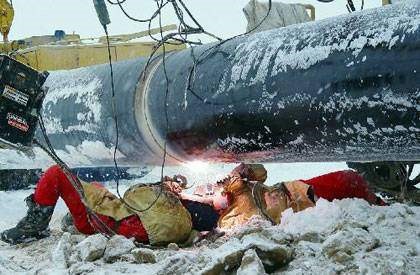
Cold working conditions can also cause problems for construction workers.
The following conditions can occur if a worker is exposed to cold temperatures:
- Frostbite is the freezing of deep skin tissue layers and leads to hardening and numbing of the skin. It usually affects the fingers, hands, toes, feet, ears, and nose.
- Hypothermia occurs when the body's core temperature falls below 95°F (35°C). The person may become tired and drowsy, begin to shiver uncontrollably, move clumsily, and become irritable and confused. As hypothermia progresses, the person's speech may become slurred, behavior may become irrational, and unconsciousness and cardiac arrest can occur.
Follow these safe work practices when working in cold conditions.
- Seek medical help for cold-related stresses.
- Move affected workers to a warm area, remove wet clothing, and warm the center of the body first while awaiting medical help.
- Perform work during the warmer times of the day.
- Use the "buddy" system (work in pairs).
- Do not drink alcoholic beverages in cold weather.
- Drink warm, nonalcoholic beverages in cold weather.
- Wear warm, loose-fitting layers, including a hat and gloves. Pay special attention to protecting the feet, hands, face, ears, and head.
- Take frequent, short breaks to warm up.
- Avoid exhaustion or overworking, because energy is needed to keep muscles warm.
- Train employees to recognize cold-related illnesses and seek medical help for workers who have symptoms.
Knowledge Check Choose the best answer for the question.
2-7. If your coworker's speech is slurred and behavior is irrational while working on a cold day, which condition should you suspect?
You forgot to answer the question!