
Excavation and Trenching
Excavation and trenching activities at a drilling site are generally limited in scope and duration and are highly site-specific. Depending on the drilling program and local conditions, excavation may be required to construct below-ground structures such as a cellar. The cellar provides a protected area around the wellhead where the main borehole is initiated and where critical equipment is installed and serviced.
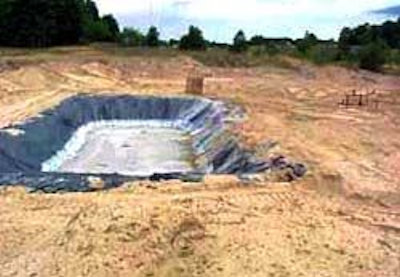
In addition to the cellar, reserve pits and settling pits may be excavated to store water, drilling fluids (mud), and cuttings generated during drilling operations. These pits are often lined to prevent soil contamination and groundwater infiltration. Although these excavations are typically shallow compared to large construction projects, they still present serious hazards if not properly planned and controlled.
Potential Hazards
- Dust, silica, and other airborne contaminants generated during excavation and earthmoving activities, which may cause respiratory irritation, allergic reactions, or long-term health effects.
- Damage to buried pipelines, electrical cables, or other underground utilities due to inadequate location or marking.
- Cave-ins or collapsing trench walls, particularly in unstable or saturated soils.
- Slips, trips, and falls around open excavations and uneven ground.
- Equipment-related hazards from excavators, loaders, and haul trucks operating near trenches and pits.
Possible Solutions
- Wear appropriate respiratory protection when dust or airborne contaminants are present, and use dust suppression methods such as water spray when feasible.
- Perform a comprehensive site line location survey to identify and clearly mark all underground utilities prior to excavation.
- Ensure excavations and trenches are designed, sloped, benched, or shored in accordance with OSHA excavation and trenching requirements.
- Provide safe access and egress, such as ladders or ramps, for employees working in or near excavations.
- Install barricades, fencing, or warning signage to prevent unauthorized access to open pits and trenches.
- Train employees to recognize excavation hazards and to follow established safe work practices.
Knowledge Check Choose the best answer for the question.
1-3. What is the purpose of excavating a below-ground-level cellar on a drilling site?
You forgot to answer the question!